
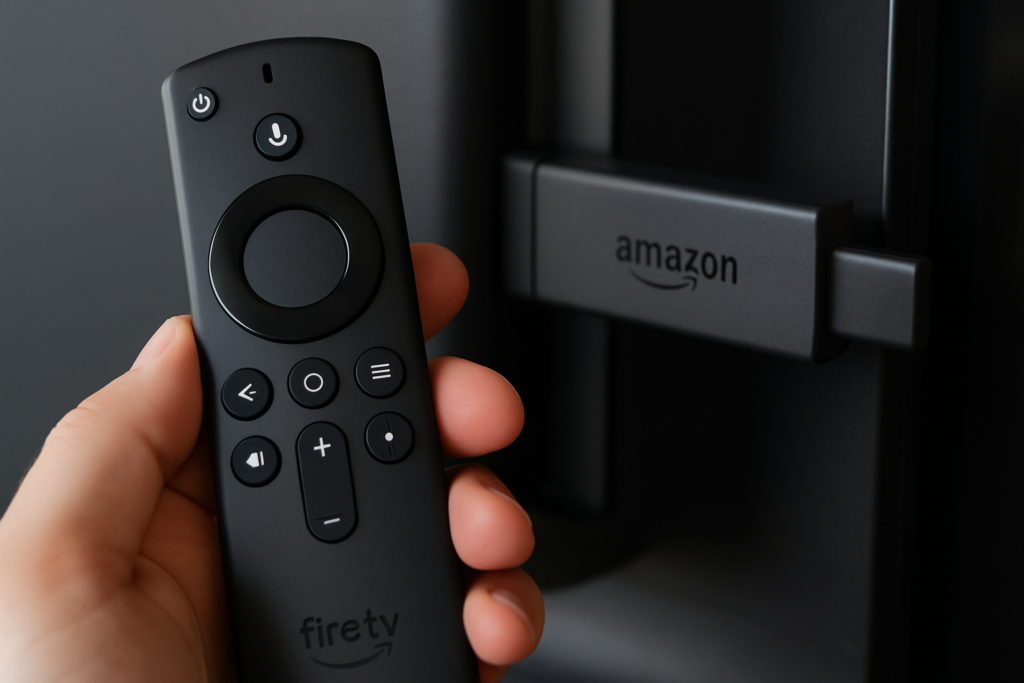
The Modern Way to Choose Shows and Movies Without Wasting Time
Choosing what to watch should be enjoyable, yet many people spend more time scrolling than watching. With thousands of titles released each year, discovering the right shows and movies now requires a smarter approach than relying on random suggestions. By using structured discovery habits, trusted data sources, and personal taste signals, viewers can dramatically improve their experience while avoiding frustration.
Why Choice Overload Ruins the Viewing Experience
The explosion of digital entertainment has created a paradox. More availability has not made decisions easier. Instead, endless menus lead to decision fatigue. Studies covered by https://www.bbc.com have shown that too many options reduce satisfaction, even after a choice is made.
This is why intentional discovery matters. When people approach shows and movies with a plan, they enjoy higher engagement and are more likely to finish what they start.
Understanding Your Personal Viewing Profile
Before exploring recommendations, it helps to define what you actually enjoy. Many viewers assume their taste is broad, but patterns quickly appear when you look closer.
Ask yourself:
- Do you prefer character-driven stories or fast-paced plots?
- Are you drawn to documentaries, drama, or light entertainment?
- Do you like long-running series or short, self-contained films?
Clarifying these preferences allows shows and movies to be filtered effectively instead of chosen randomly.
How Algorithms Really Recommend Content
Most platforms rely on behavioral signals rather than quality alone. Watch time, completion rates, and replays strongly influence what gets promoted. According to analysis published by https://techcrunch.com, recommendation systems prioritize engagement patterns over critical acclaim.
That means users who actively rate, save, or complete titles receive better suggestions over time. Treating discovery as an interactive process improves the relevance of future shows and movies.
Using Ratings and Reviews the Right Way
Public ratings can be useful, but only when interpreted correctly. Instead of focusing on raw scores, pay attention to trends.
For example:
- Consistently high ratings across multiple seasons often signal strong storytelling
- Mixed reviews may indicate niche appeal rather than poor quality
- Audience reviews often differ from critic reviews, offering balance
Websites like https://www.imdb.com aggregate both critic and audience data, making them valuable tools when narrowing down options.
Curated Lists Beat Endless Browsing
Editorial curation remains one of the most effective discovery methods. Human-selected lists account for tone, pacing, and cultural relevance in ways algorithms often miss.
Look for:
- Seasonal recommendation lists
- Genre-specific roundups
- Award nominee collections
These approaches surface shows and movies that may not be heavily promoted but align strongly with viewer taste.
A Practical Weekly Discovery System
Rather than searching every night, build a simple weekly habit. This structure reduces friction and increases enjoyment.
A reliable system might include:
- One evening reviewing new releases
- One evening continuing a current series
- One flexible slot for trying something new
Platforms that centralize access and planning, such as https://streamlinkpro.com/ and https://streamlinkpro.com/our-viewing-plans/, help users organize their entertainment without overwhelm.
Mini Case Study: From Endless Scrolling to Confident Choices
A casual viewer reported spending 25 minutes per night deciding what to watch. After tracking preferences and using curated lists, their decision time dropped to under five minutes. Completion rates increased, and overall satisfaction improved.
The key change was intentional selection. Instead of reacting to front-page suggestions, they built a short watchlist and rotated through it. This small shift transformed how they experienced shows and movies.
Exploring Genres Without Getting Stuck
Genre exploration prevents burnout while keeping choices aligned with taste. Many people stay locked into one category, missing high-quality content elsewhere.
A useful method is genre pairing:
- Combine a familiar genre with an unfamiliar one
- Alternate between series and films weekly
- Mix older classics with new releases
This keeps shows and movies fresh without feeling random.
How Release Calendars Improve Timing
Release timing matters. Following release calendars prevents missed premieres and helps avoid spoilers. It also allows viewers to plan watch sessions instead of discovering content too late.
Many entertainment news sections and platform blogs provide reliable schedules. Checking them once a week keeps shows and movies aligned with personal availability.
FAQ: Smart Viewing Questions Answered
How many titles should be on a watchlist?
Five to ten items is ideal. Larger lists create pressure instead of clarity.
Is binge watching better than weekly viewing?
It depends on preference. Some stories benefit from immersion, while others improve with pacing.
Should I trust recommendations from friends?
Yes, especially if their taste overlaps with yours. Social filtering remains powerful for discovering shows and movies.
Are older titles still worth watching?
Absolutely. Many critically acclaimed productions age well and often outperform newer releases in storytelling quality.
Making Entertainment Feel Enjoyable Again
The goal is not to watch more, but to watch better. With intentional habits, trusted sources, and light planning, shows and movies become a source of relaxation instead of stress. By taking control of discovery, viewers reclaim their time and rediscover the joy that entertainment is meant to provide.